
Topic
Fintech Startups to Watch: Trends Shaping the Next Wave
Funding has stabilized, the trust gap with banks has narrowed, and the models gaining traction are the ones that sell picks and shovels to the financial system itself.
Funding has stabilized, the trust gap with banks has narrowed, and the models gaining traction are the ones that sell picks and shovels to the financial system itself.

Banks earn the spread between deposit and loan rates, add fee income, then absorb losses and payroll; FDIC data put the industry margin at 3.32 percent in second quarter 2026.

The FDIC has paid every insured deposit since 1933. The $250,000 limit runs per bank and per ownership category, and the NCUA runs the same math for credit unions.

A new digital banking update brings credit card PIN changes, future-dated Interac e-Transfers and appointment booking to the Scotia app — what each change does, and who it affects.

TD Bank U.S. will route app and aggregator connections through Akoya's Open Finance Solution, with onboarding starting in the fourth quarter.

Acquisition spend, compliance overhead and per-account servicing costs decide whether a challenger bank reaches breakeven or keeps raising money.

A wrong charge is not the end of the story. How chargebacks work, the rights behind them, and the steps that give your dispute its best chance.

Cards and wallet apps are layers of the same system, not rivals. How each works, where each shines, and how to pick the right one at the counter.
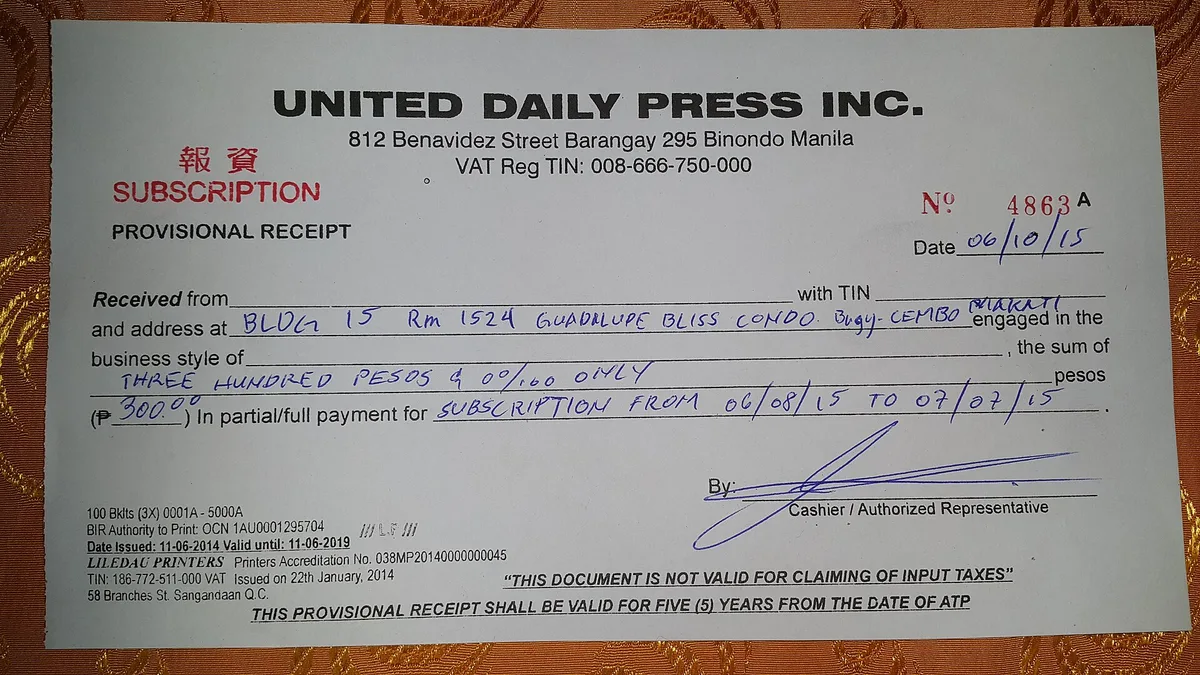
Recurring payments fade into the background until a statement surprises you. Here is a simple routine to track, rate, and manage every subscription.

A step-by-step guide to opening a first bank account, including what banks check, what second-chance options exist, and what to do if you have been declined before.